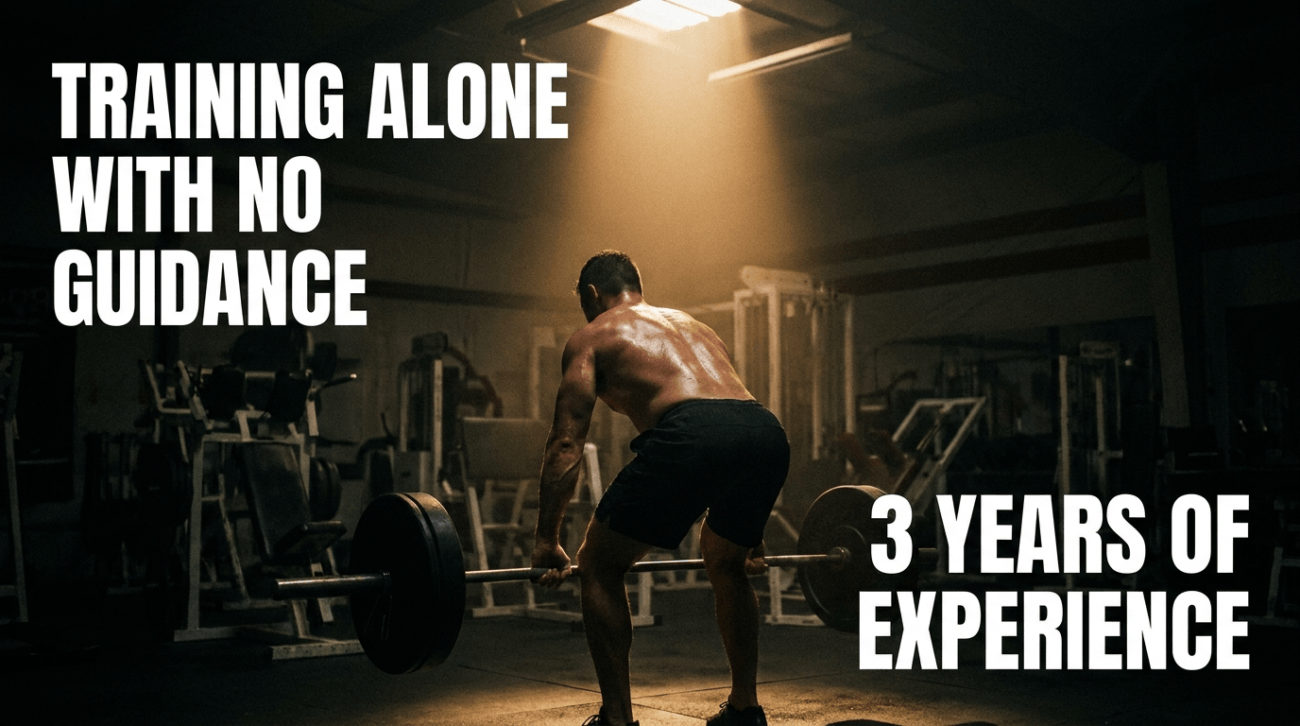
After 1,095 days of training without a single session with a coach or experienced partner, I made every possible mistake—and discovered a few powerful solutions. Below are the raw, tested tips that kept me progressing when no one was there to guide me.
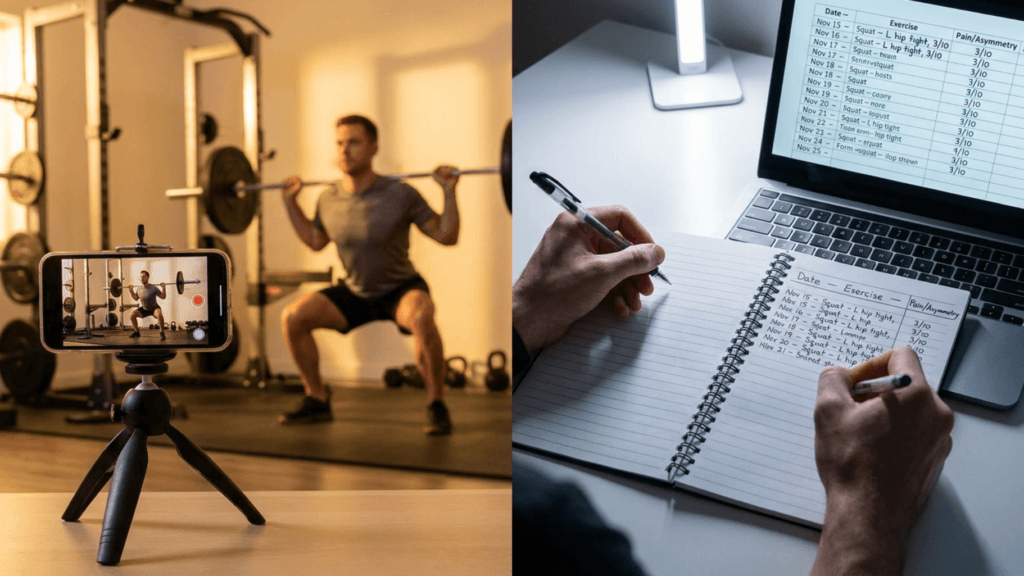
1. Become your own video analyst.
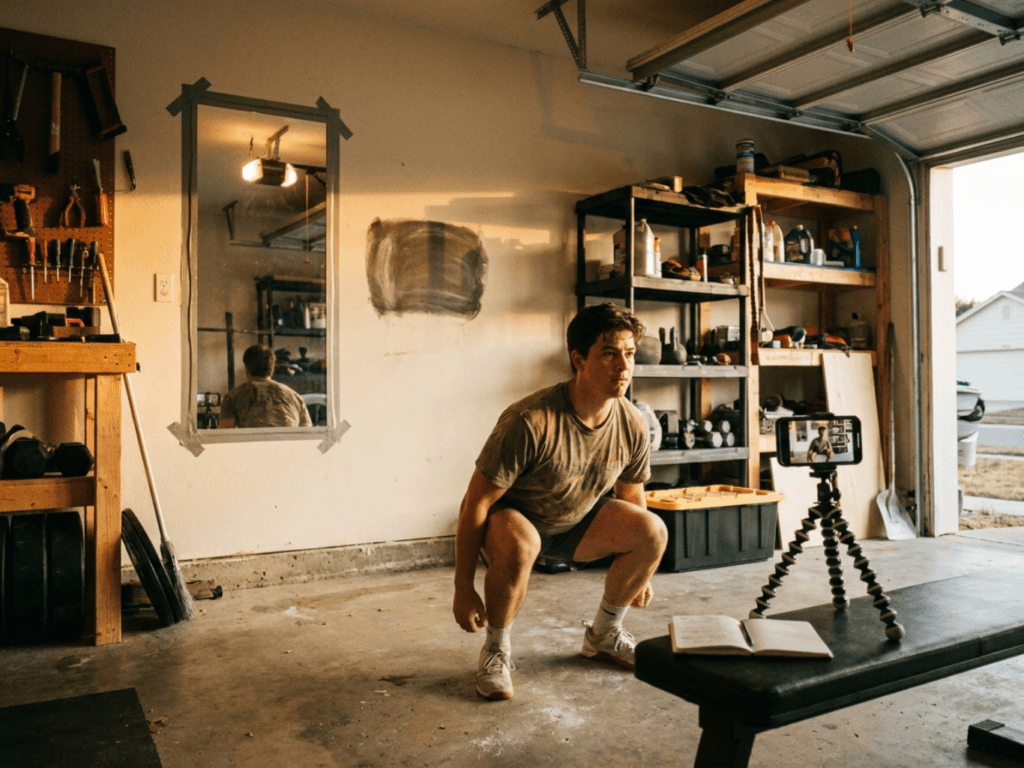
Without external feedback, your own eyes are your only tool. Record every working set from at least two angles (side and front). Compare your form to three trusted sources—not Instagram influencers, but credentialed coaches on YouTube (e.g., Juggernaut Training Systems, Alan Thrall, or Renaissance Periodization). The gap between what you feel and what you actually do is huge. Video never lies.
2. Create a dead-simple progress tracker.
When no one pushes you, numbers must speak. I used a single Google Sheet with three columns: Date, Exercise, and Performance Metric (e.g., “Squat 3×5 @ 80kg – last rep slow but clean”). After month two, I added a “Pain/Asymmetry” column. That saved me from a developing hip imbalance because I caught it early. Without a log, you are guessing. Guessing leads to plateaus or injury.
3. Master the “RPE without ego” rule.
Rate of Perceived Exertion (RPE) is tricky alone because your brain lies to you when tired. My solution: after each top set, wait 30 seconds, then ask, “Could I do two more perfect reps with the same speed?” If yes, add weight next session. If no, repeat the weight. And never, ever add weight just because you feel strong. Ego is the only enemy in an empty gym.
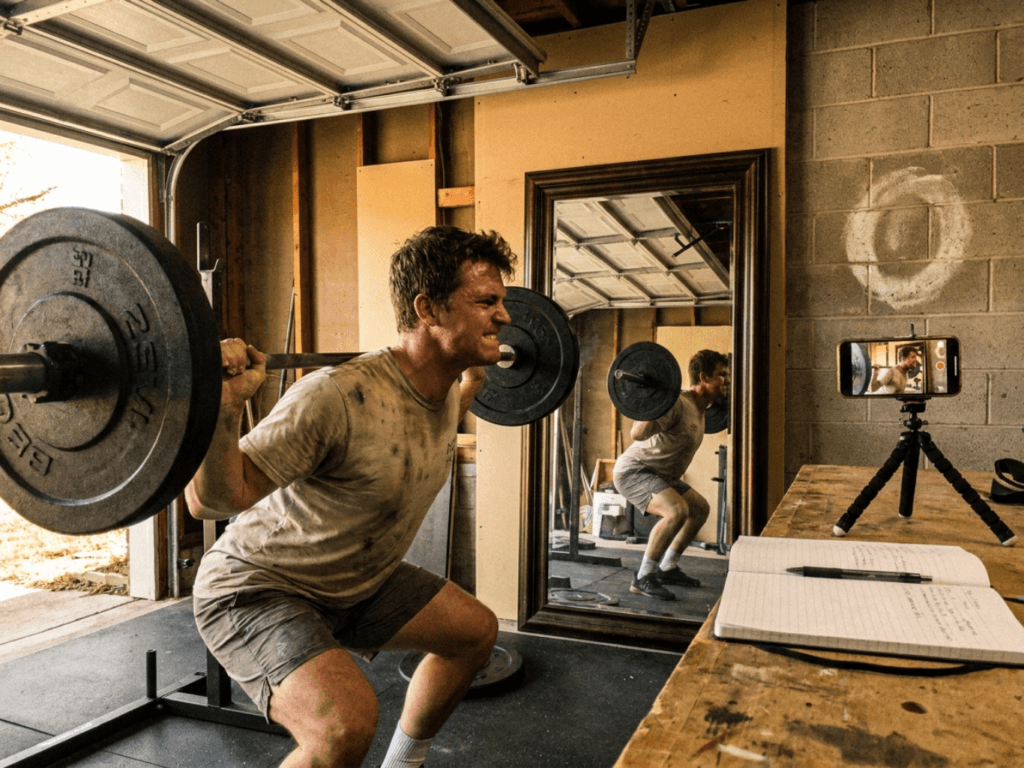
4. Deload on a fixed calendar, not by feel.
Solo trainers often either never deload (burnout) or deload too often (no progress). I learned to force a deload every 6th week regardless of how good I felt. Why? Because by week 5, fatigue is already hiding in your joints and central nervous system. When you have no coach to spot early overtraining signs, a scheduled light week is insurance.
5. Use “mirror conversations” for form cues.
This sounds strange, but it works. Before each heavy set, I look in the mirror and say one cue aloud: “Elbows down,” “Brace like a punch,” “Knees out.” Speaking engages a different part of the brain than thinking. It locks the cue in. After three months, the verbal cue becomes an automatic habit.
6. Solve pain immediately with the 48-hour rule.
If a joint hurts during or after training, I wait 48 hours. If the same pain reappears on the next session, I stop that movement for two weeks and find a regression. No doctor? No physio? Then caution is your only medicine. I lost one month of progress by ignoring a slight shoulder twinge. I lost zero progress by later switching to neutral-grip press for three weeks.
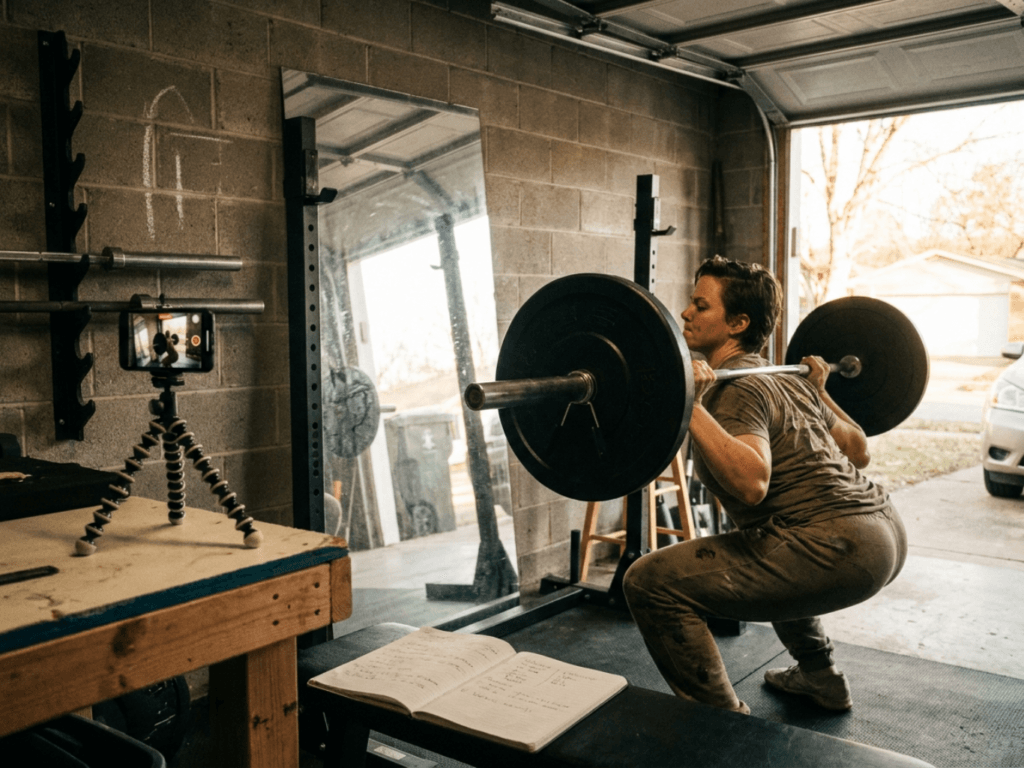
7. Build a “ghost community” of dead experts.
Just because you train alone doesn’t mean you can’t learn from the best. I read one book per month from coaches who are no longer alive or no longer active online: Bill Starr, Mel Siff, Tommy Kono. Their wisdom is static, but it’s also undistorted by social media trends. When you have no live mentor, dead mentors are a gift.
8. The weekly spot-check rule.
Every Sunday, I answer three questions in writing:
- What improved this week? (Be specific)
- What hurt or felt unstable?
- What will I change next week?
This 5-minute ritual replaced the coach’s eye. Over three years, I made over 150 small adjustments. No single adjustment was huge, but their sum transformed my technique.
Final word from three years alone:
Training without guidance is slower, scarier, and more humbling than training with a coach. But the person you become—resourceful, self-aware, relentlessly honest—is someone no coach could have created. You are not lost. You are just learning to lead yourself. Keep going.
